Tracing Reward Pathways from Mobile Applications to Collective Prize Expansion in Handheld Gaming Spaces
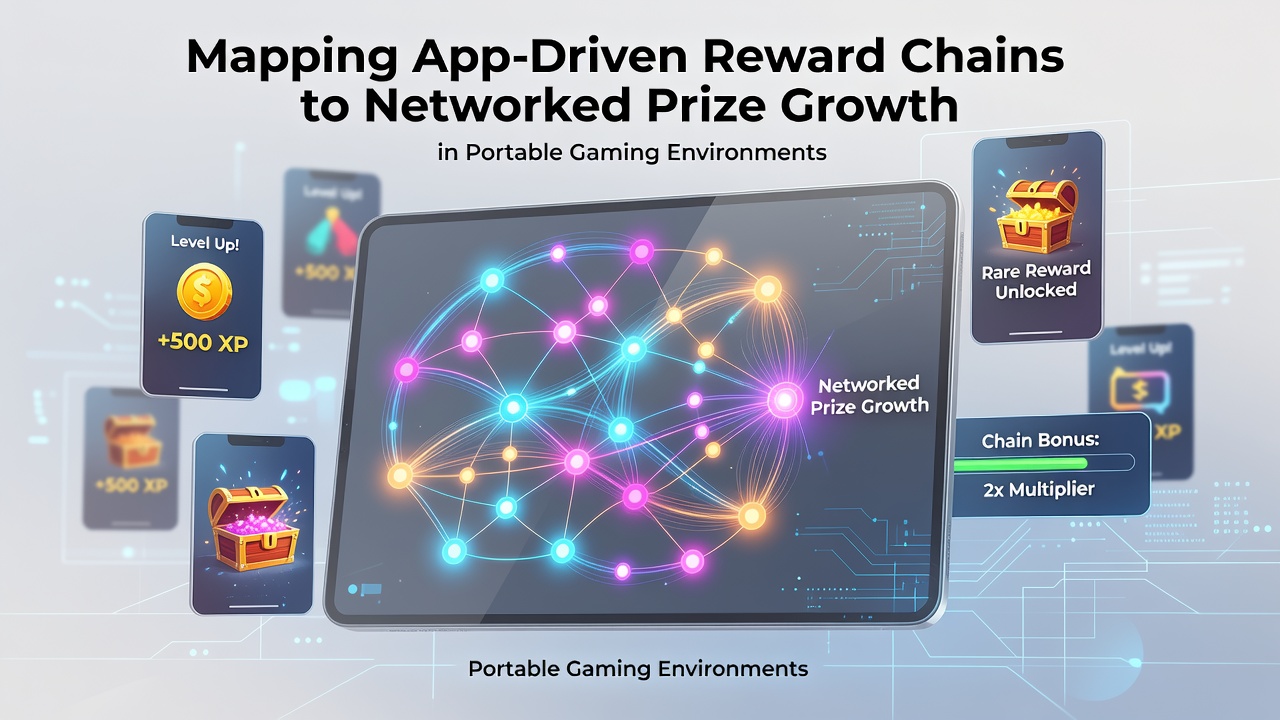
Application reward systems in portable gaming have evolved into structured sequences that connect individual player actions with broader network outcomes, and data from industry analyses shows these patterns now influence prize distribution across multiple devices and player groups. Research from organizations tracking digital entertainment indicates that daily login bonuses, achievement streaks, and in-app progression tracks create measurable links between single-user engagement and collective prize pools that grow through shared participation.
Understanding App-Driven Reward Structures
Developers design mobile games with layered incentive mechanisms that begin with simple tasks such as completing levels or collecting items, yet these steps often feed into larger systems where accumulated points convert into access for group events or scaled rewards. Studies conducted by research institutions in North America reveal that such chains operate through algorithms tracking user behavior across sessions, while European gaming associations report similar frameworks appearing in titles released between 2024 and 2025. Players accumulate virtual currency or tokens through consistent interaction, and those resources sometimes transfer into networked environments where multiple accounts contribute to shared milestones.
Observers note that the process resembles supply chains in traditional economies because each small action adds to a larger inventory of potential prizes. According to reports from the Entertainment Software Association, mobile gaming revenue reached significant levels in recent years partly because these reward sequences encourage repeated returns without requiring constant new content creation. The structure allows developers to adjust difficulty or availability based on aggregate data, which in turn affects how quickly prizes expand across the player base.
Mapping Connections to Networked Prize Growth
Networked prize growth occurs when individual reward chains intersect with community features such as leaderboards, cooperative challenges, or cross-device synchronization. Data indicates that when a player completes a sequence of tasks on one device, the resulting tokens or progress markers can contribute to a central pool visible to others using different hardware. This mapping becomes visible in games supporting cloud saves and real-time updates, where progress made during a commute appears in evening sessions on a tablet or console-linked account.
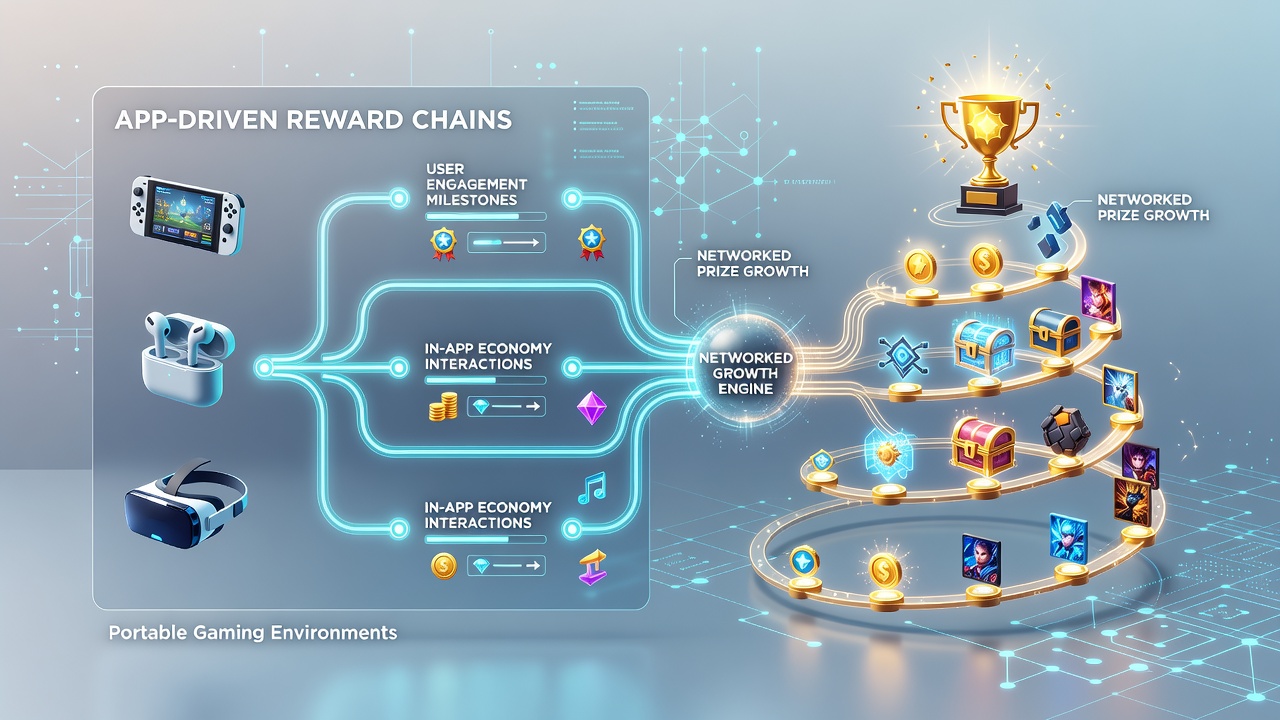
Analyses from academic sources at universities in Australia highlight how these intersections produce exponential rather than linear growth in available prizes. One documented pattern shows that when participation rates cross certain thresholds, additional bonus layers activate for the entire network, increasing the value of earlier contributions. Figures from Canadian industry groups confirm that portable platforms benefit particularly because device portability allows users to engage during fragmented time periods, feeding data continuously into the shared system.
Technological and Regulatory Context Around 2026
Platform updates scheduled for mid-2026 are expected to introduce standardized APIs that further streamline data exchange between reward tracking modules and prize distribution engines. Industry reports suggest these changes will allow more precise mapping of how app-based incentives translate into network-level expansions, especially in titles operating across multiple regions. Regulatory bodies in various jurisdictions continue to review data privacy requirements around player tracking, which influences how reward chains are logged and how prize growth metrics are shared with participants.
What's interesting is the way developers now test these systems through beta releases that gather anonymized participation statistics before full rollout. Evidence from trade publications shows that successful implementations often balance individual motivation with collective outcomes, preventing any single player group from dominating prize access. This equilibrium relies on algorithms that recalibrate reward values based on real-time network activity rather than static formulas.
Examples from Current Gaming Titles
Take one popular title where daily missions on mobile devices feed into seasonal events that distribute larger prizes to active communities. Research indicates that players who maintain longer reward chains see their individual contributions reflected in higher network multipliers during group challenges. Similar patterns appear in other portable games that incorporate location-based elements, where physical movement combines with app interactions to unlock prizes that scale according to collective participation rates.
Another case involves games that integrate social features, allowing friends to combine reward progress into shared objectives. Data from multiple regions demonstrates that these collaborative models produce faster prize pool expansion compared with solo-focused designs. Observers have documented instances where milestone achievements trigger additional rewards for all connected accounts, reinforcing the mapping between personal effort and networked outcomes.
Future Developments and Industry Trends
Projections from global analytics firms point toward greater integration of artificial intelligence in managing reward chain complexity, enabling dynamic adjustments that respond to both individual patterns and network-wide trends. As hardware capabilities advance, portable devices are expected to support more sophisticated tracking without draining resources, which could accelerate the pace at which prizes grow through interconnected systems. Industry organizations emphasize the need for transparent reporting on how these mechanisms function so participants understand the pathways from their actions to collective results.
Conclusion
The relationship between app-driven reward chains and networked prize growth in portable gaming continues to develop through technological refinement and player data analysis. Evidence gathered across different markets shows consistent patterns where structured incentives at the individual level support expanding opportunities at the community scale. Continued monitoring by research groups and industry bodies will clarify how upcoming platform changes in 2026 influence these dynamics while maintaining balanced participation across diverse user groups.