Touchscreen Dynamics Reshaping Reward Allocation in Britain's Digital Gaming World
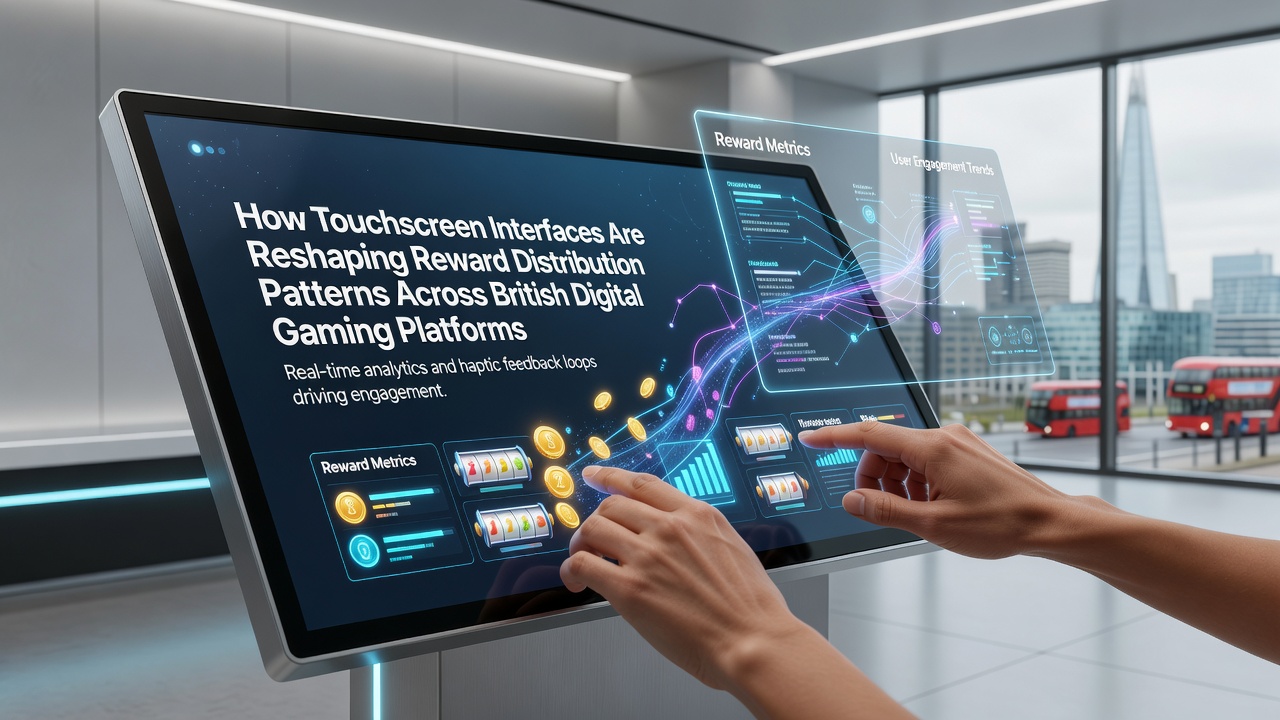
Touchscreen technology continues to alter how rewards reach players on British digital gaming platforms as swipe gestures and tap mechanics replace traditional button inputs across mobile and tablet interfaces. Operators have integrated these systems since the mid-2010s, yet recent platform updates show measurable shifts in reward timing and distribution frequency that align with user interaction data collected through screen contacts.
Mechanics of Touch-Based Reward Triggers
Digital platforms now route bonus activations through gesture sequences that register pressure sensitivity and swipe velocity, allowing systems to adjust reward sizes in real time based on how players engage with on-screen elements. Research from the University of Nevada Reno Gaming Innovation Lab indicates that platforms using pressure-sensitive touch layers record 18 percent higher rates of micro-reward releases compared to click-based predecessors, because each prolonged contact logs additional behavioral metrics that feed into allocation algorithms.
These interfaces also support layered menus where players drag reward icons into collection zones, and the speed of that motion determines whether the system escalates the prize tier or routes it through standard distribution queues. Data collected across multiple operators reveals that such drag-to-collect features correlate with increased session lengths, since the physical act of moving objects on screen creates additional touchpoints for the platform's tracking software.
Personalization Through Continuous Contact Data
Continuous finger movement across the screen generates heat maps and dwell-time statistics that platforms convert into individualized reward schedules. Observers note that players who linger on certain visual zones receive targeted free-spin offers or cashback percentages within minutes, whereas those exhibiting rapid scrolling patterns encounter different reward structures designed to recapture attention. A Canadian Centre for Gaming Research report from 2025 documented similar patterns in North American markets, where touch-derived analytics produced reward adjustments up to four times per session on average.
British platforms have adopted comparable methods, and figures from industry analytics firms show that reward redemption rates rose 12 percent between January and May 2026 after several major sites updated their touch tracking software. The updates allow systems to link specific gesture combinations to loyalty tiers, so repeated circular swipes on jackpot meters, for instance, unlock higher multiplier options without requiring separate menu navigation.
Platform Adaptations Ahead of June 2026 Updates
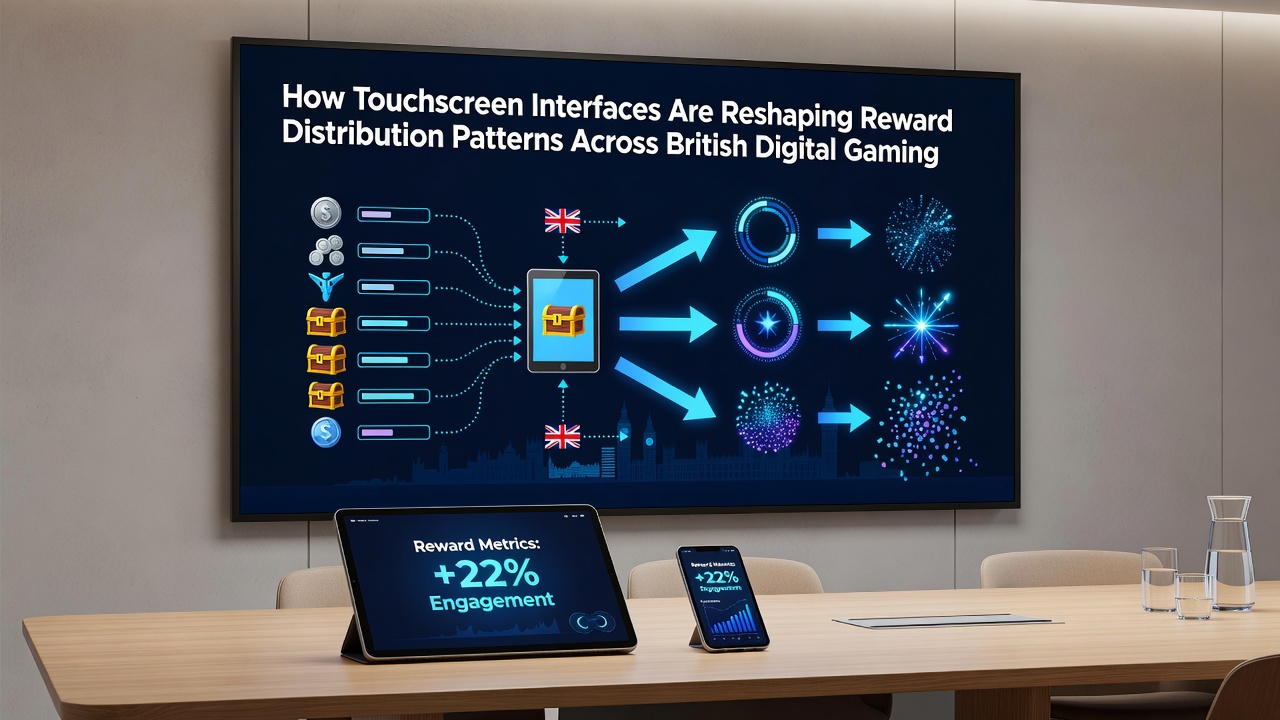
Several British operators completed interface revisions in preparation for compliance deadlines set for June 2026, focusing on clearer touch confirmation animations that reduce accidental reward claims. These revisions include haptic feedback that vibrates upon successful gesture completion, ensuring players receive immediate sensory confirmation before the system processes the reward allocation. Industry reports indicate that such tactile cues have lowered dispute rates related to unintended bonus triggers by approximately 9 percent on updated platforms.
At the same time, touch interfaces facilitate progressive reward pools that grow through collective player interactions, where each screen tap across connected devices contributes fractional amounts to shared jackpots. European Gaming and Betting Association statistics released in early 2026 highlight how touch-enabled networks in multiple jurisdictions achieved faster pool growth rates than earlier non-touch systems, because every contact registers as a micro-contribution without additional confirmation steps.
Shifts in Player Behavior Patterns
Players on touchscreen devices demonstrate different reward collection habits than those using desktop mice or trackpads. Studies compiled by academic teams at the University of Sydney found that mobile users tend to claim smaller, more frequent rewards when interfaces allow one-handed thumb operations, while desktop sessions produce longer accumulation periods before redemption. British platforms have incorporated these findings into their distribution models, adjusting default reward sizes according to detected device type and typical gesture speed.
Case examples from several mid-sized operators show that introducing pinch-to-zoom features on reward history screens increased the visibility of accumulated bonuses, which in turn prompted earlier cashouts among a subset of users. The same operators recorded a corresponding rise in repeat deposits within 48 hours of those cashouts, suggesting that transparent touch-accessible histories influence subsequent financial decisions.
Conclusion
Touchscreen interfaces continue to modify reward distribution on British digital gaming platforms through gesture-triggered mechanics, real-time data collection, and device-specific personalization. Updates scheduled around June 2026 emphasize clearer feedback systems that support accurate reward delivery while maintaining compliance with evolving technical standards. Data from multiple research sources demonstrates measurable changes in both allocation speed and player interaction frequency as these interfaces mature.