The Untapped Mechanics of Loyalty Tiers Driving Long-Term Engagement in Digital Reel Games Across Devices
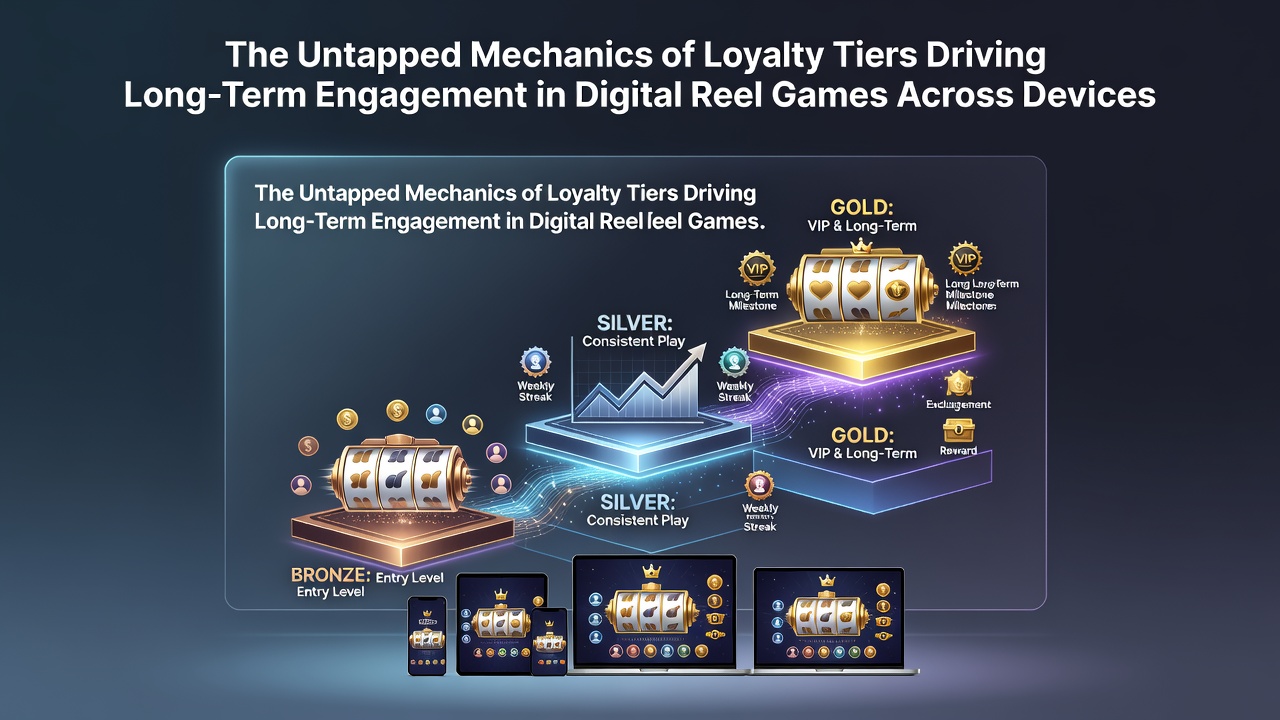
Digital reel games maintain player interest through structured loyalty programs that accumulate points based on wager volume and session frequency, then convert those metrics into tiered status levels offering escalating benefits, and operators track these systems across mobile, tablet, and desktop platforms to create seamless progression that continues regardless of device switches.
Core Components of Tiered Loyalty Structures
Players earn base points through standard gameplay where each spin contributes a fixed ratio of credits wagered, while bonus rounds and progressive features multiply point accrual rates during high-activity periods, and systems automatically adjust these ratios according to game volatility settings so that higher-risk titles deliver faster tier advancement compared to low-volatility options.
Entry-level tiers grant access to accelerated point multipliers during promotional windows along with occasional free spin allocations that reset monthly, whereas mid-tier status unlocks personalized game recommendations derived from historical play data plus dedicated account managers who coordinate custom deposit incentives, and top-tier participants receive invitations to exclusive tournaments with guaranteed prize pools funded partly through operator contributions rather than player entry fees.
Cross-Device Synchronization Mechanisms
Backend databases record every point transaction in real time so that progress achieved on a smartphone during a commute carries forward instantly when the same account opens on a desktop computer later that evening, and developers implement cloud-based APIs that push tier status updates across operating systems without requiring manual synchronization steps from users.
Device-specific interfaces adapt reward displays accordingly, showing compact progress bars on smaller screens while expanding detailed benefit lists on larger monitors, yet the underlying eligibility rules remain identical regardless of access method, which prevents fragmentation that might otherwise discourage continued participation.
Research from the American Gaming Association indicates that synchronized loyalty tracking correlates with extended average session lengths when players move between devices without losing accumulated status.
Engagement Patterns Observed in Longitudinal Data
Studies compiled by academic researchers at institutions including the University of Nevada's gaming research center reveal that participants who reach second-tier status within the first thirty days of enrollment demonstrate retention rates approximately forty percent higher than those remaining at entry level after the same period, and these patterns hold across multiple jurisdictions where digital reel offerings operate under standardized regulatory frameworks.
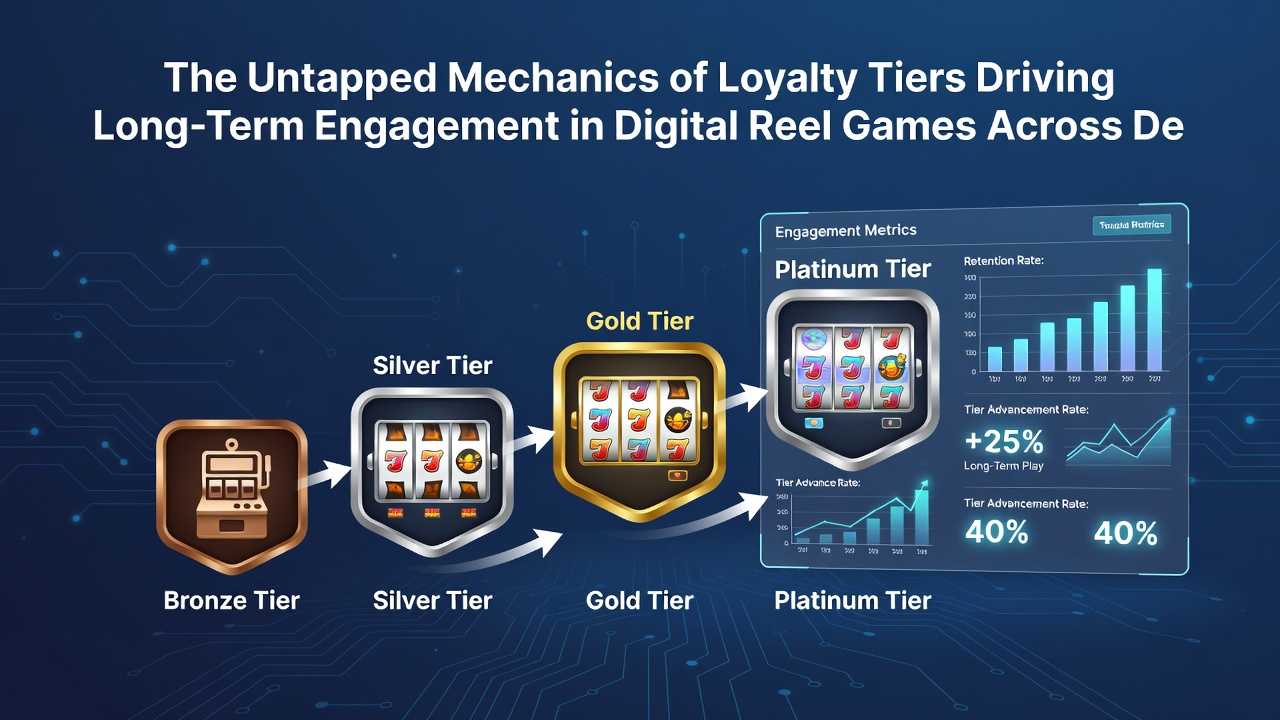
Seasonal events that award double points during designated weeks accelerate upward mobility for active users, and operators report corresponding spikes in daily active accounts that persist for several weeks beyond the promotion window, suggesting that temporary boosts can trigger lasting habit formation when tier benefits feel attainable.
One analysis of anonymized transaction logs showed that players who unlock a new tier mid-month tend to increase weekly deposit frequency by roughly twenty-five percent in the subsequent period, while those who plateau at a given level exhibit gradual declines in both frequency and volume until new incentives appear.
Adaptations Anticipated Around Mid-2026 Regulatory Shifts
Industry observers note that several markets will implement updated technical standards for gaming machines by July 2026, prompting developers to refine loyalty algorithms so that point-earning mechanics comply with new transparency requirements while still preserving motivational structures that encourage sustained interaction, and testing phases for these adjustments have already begun in select testing environments to verify cross-device functionality remains uninterrupted.
These modifications focus primarily on audit trails for reward distribution rather than altering core progression speeds, which allows operators to maintain engagement momentum even as compliance documentation expands, and early reports from pilot programs suggest that players experience minimal disruption when systems update tier interfaces to include clearer disclosure of qualifying criteria.
Conclusion
Loyalty tier systems in digital reel games operate through interconnected point accumulation, status elevation, and reward delivery processes that function consistently across devices, and available data demonstrates measurable impacts on retention metrics when these systems synchronize effectively. Observers continue monitoring how forthcoming technical requirements scheduled around July 2026 influence program design without compromising the fundamental engagement loops that keep participants returning.