The Mechanics Behind Event-Based Rewards in Connected Gaming Networks
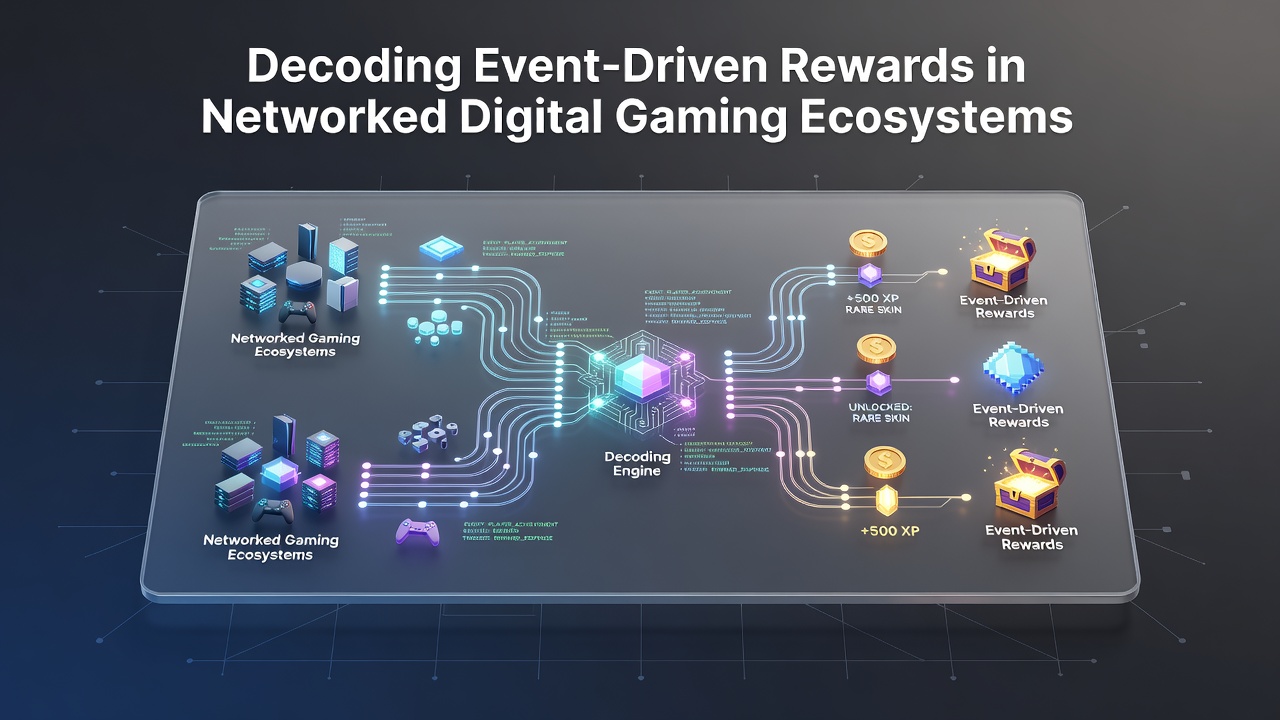
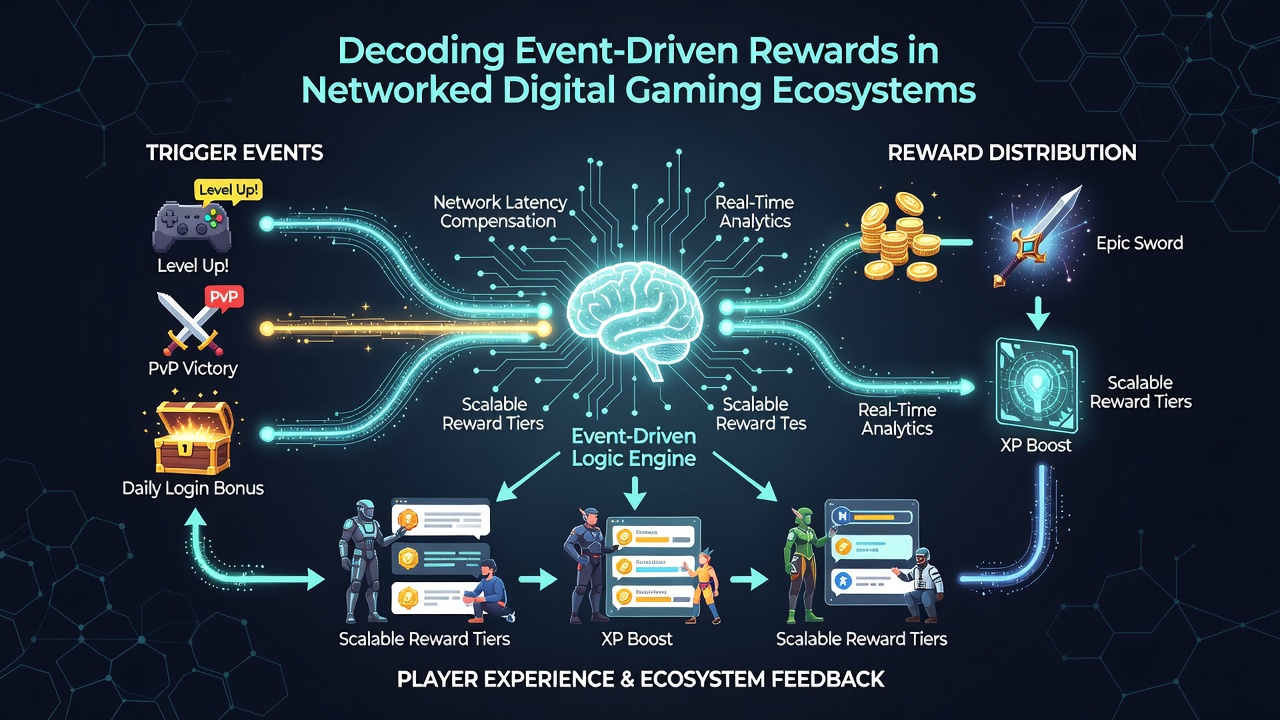
Event-driven rewards operate through predefined triggers within digital gaming platforms where specific player actions or system states activate bonuses, points, or prizes without requiring separate manual claims, and these mechanisms have expanded across networked environments that link multiple users in real time. Data from industry reports indicates that such systems rely on backend algorithms monitoring metrics like session duration, achievement milestones, or synchronized community events to distribute incentives automatically.
Core Components of Event-Driven Systems
At their foundation these rewards integrate sensors within game code that detect conditions ranging from simple login streaks to complex multi-player interactions, after which the network pushes notifications and credits to user accounts across connected devices, while developers often incorporate variables such as time-based windows or random probability factors to maintain unpredictability. Researchers at institutions like the University of Nevada have documented how these triggers reduce friction in reward delivery compared with traditional static bonus structures.
Network connectivity further enables scaling where one player's event can cascade into shared outcomes for others in the same ecosystem, for instance when collective progress toward a server-wide goal unlocks tiered payouts distributed proportionally based on individual contributions tracked through centralized databases.
Implementation Across Gaming Platforms
Online entertainment providers apply these frameworks in genres including multiplayer simulations and competitive arenas where live data streams feed into reward engines that adjust dynamically according to participation levels, and case examples show integration with payment gateways for seamless conversion of earned credits into usable balances. Figures from the American Gaming Association reveal adoption rates climbing steadily as platforms seek to boost retention metrics through timely, contextually relevant incentives.
Take one developer who configured a racing title so that crossing virtual checkpoints during peak hours automatically entered participants into escalating prize pools funded by aggregated micro-transactions from the broader user base, a structure that synchronized thousands of sessions without manual oversight. Such designs leverage cloud infrastructure to handle latency-sensitive calculations ensuring rewards register instantly across regions.
Regulatory and Technical Considerations Emerging in 2026
By July 2026 several jurisdictions outside the UK are scheduled to introduce updated compliance frameworks addressing transparency in algorithmic reward distribution, with authorities in parts of Europe and Australia requiring detailed logging of trigger conditions to prevent opaque practices, and operators must demonstrate that event parameters remain consistent and auditable. Technical standards now emphasize encryption of event data streams alongside user consent protocols for personalized trigger profiles.
Observers note that these updates coincide with broader shifts toward cross-platform compatibility allowing rewards earned on one device to transfer seamlessly within the same networked ecosystem, a capability supported by standardized APIs that major studios have begun adopting. Studies from Canadian research groups highlight reduced dispute volumes when systems provide clear real-time visibility into how events qualify for activation.
Analytical Metrics and Performance Tracking
Analytics suites attached to these reward engines measure variables including trigger frequency, redemption rates, and downstream effects on session length, generating reports that inform iterative refinements to event parameters, while aggregated datasets allow comparisons across different gaming verticals. Evidence from peer-reviewed papers shows correlations between well-calibrated event timing and sustained user engagement patterns without direct causation claims.
Platforms frequently employ A/B testing protocols where variant trigger sets run in parallel segments of the user base, after which statistical models evaluate uplift in key performance indicators before full rollout. This iterative approach ensures alignment with evolving network capacities and player behavior distributions observed through longitudinal tracking.
Future Trajectories in Networked Environments
Emerging integrations with augmented reality layers promise to expand event detection to physical-world actions mapped onto digital overlays, thereby broadening the scope of triggers beyond screen-based inputs alone, and early prototypes demonstrate hybrid systems where location data or wearable inputs feed into the same reward logic used for purely virtual events. Industry associations project continued investment in these hybrid models through the remainder of the decade.
Conclusion
Event-driven reward structures continue to evolve within networked digital gaming ecosystems as operators refine detection algorithms and expand connectivity features, with regulatory milestones such as those set for July 2026 shaping documentation and audit requirements across multiple regions. Technical documentation from sources like the American Gaming Association and academic analyses underscore the reliance on real-time data processing to maintain system integrity while delivering incentives at scale.