Subtle Mobile Interface Modifications Driving Higher Promotional Code Success in Digital Reel Titles
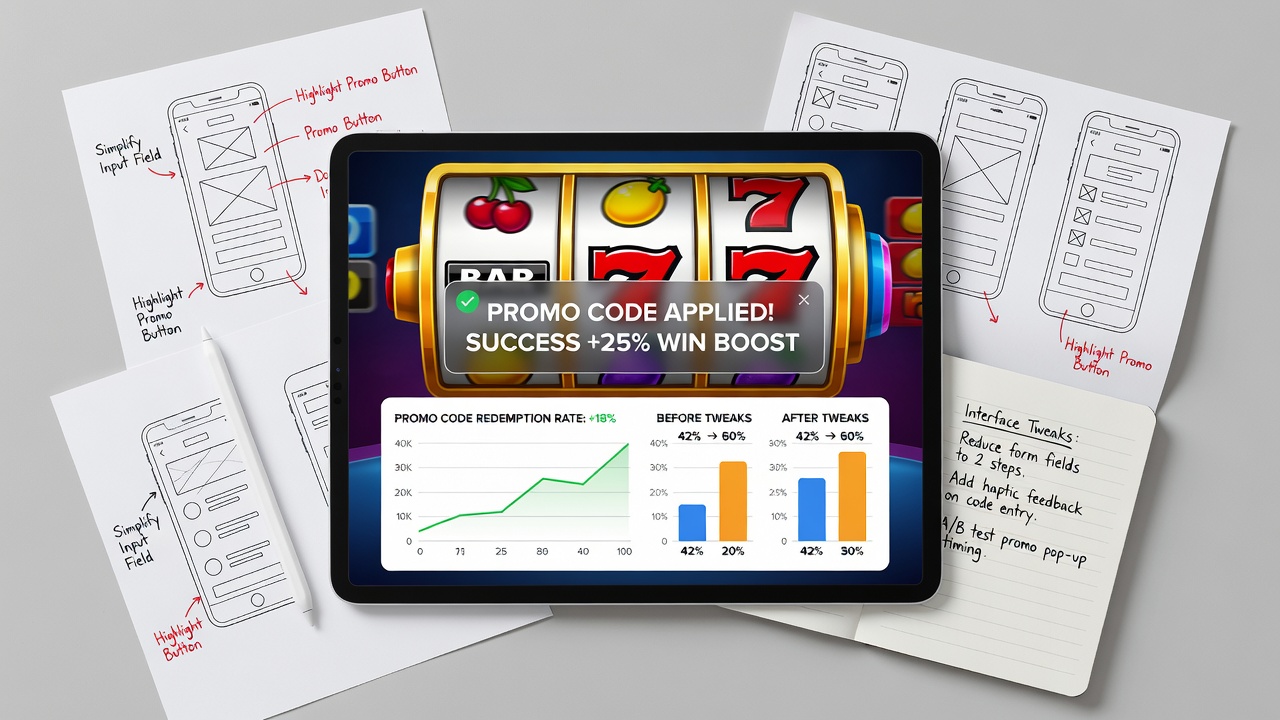
Digital reel games on mobile platforms rely on promotional codes to drive player engagement, and developers have identified several interface adjustments that improve redemption rates without altering game mechanics themselves. These tweaks focus on visibility, input efficiency, and user flow, with data from industry reports indicating measurable lifts when implemented systematically. Observers note that placement of code fields often determines whether users complete the redemption process or abandon it midway through a session.
Visibility Adjustments That Guide User Attention
Prominent positioning of promotional code fields near the main game lobby or deposit section helps users spot opportunities immediately upon opening the app. Research indicates that moving these fields from hidden menus to the primary dashboard increases interaction by drawing the eye during natural navigation patterns. Color contrasts that match the app's theme yet stand out enough to avoid blending with background elements further support this effect, and developers who tested such changes report higher completion metrics across various device sizes.
Dynamic banners that appear after a set number of spins or during loading screens also direct attention without interrupting gameplay flow. These elements often include brief text prompts explaining the code benefit, which helps users understand the value before they decide to engage. Data shows that such timed placements align with peak attention moments, reducing the cognitive load associated with searching for offers manually.
Streamlined Input Mechanisms and Error Reduction
Auto-detection features that recognize pasted codes or suggest corrections for common typos have proven effective in boosting success rates. When the interface highlights invalid characters in real time or offers a one-tap paste option from the clipboard, users complete entries faster and with fewer retries. Studies from academic sources on mobile interaction patterns confirm that minimizing friction at the input stage correlates directly with higher redemption volumes in reel-based applications.
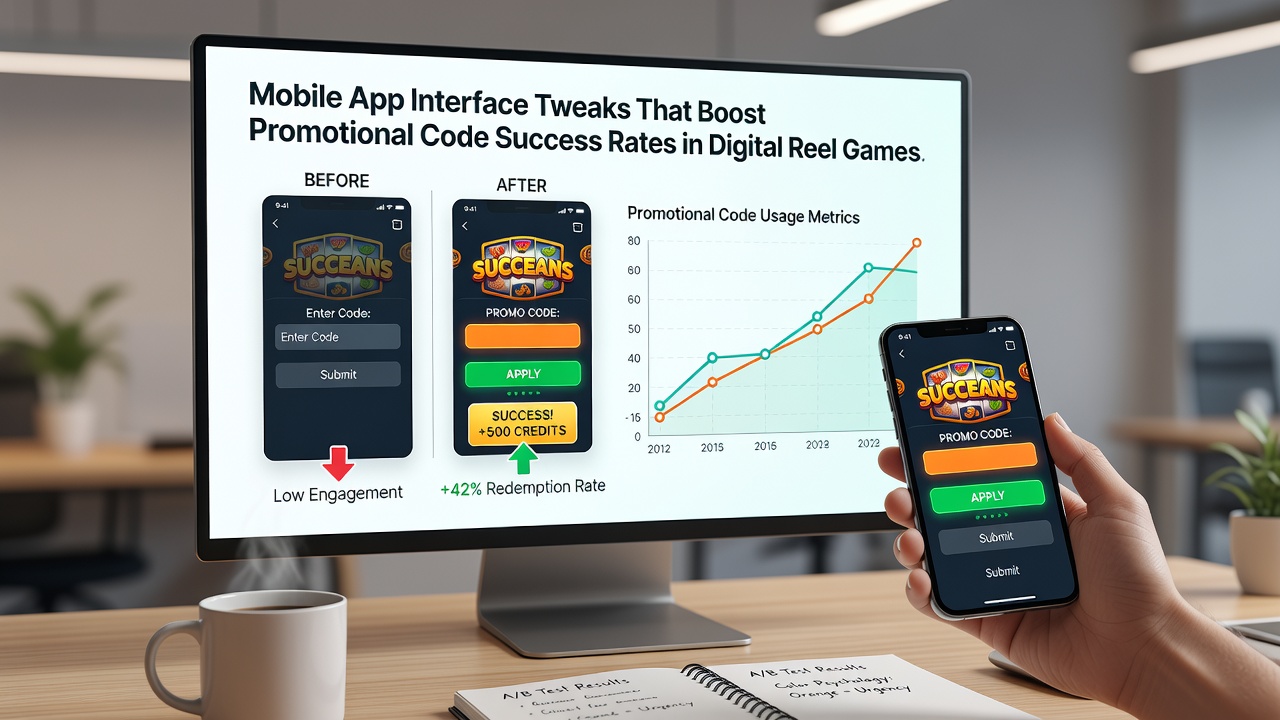
Keyboard customization that switches to alphanumeric mode automatically when the code field activates represents another practical adjustment. This prevents the need for manual mode switching, which often leads to session drop-off. Those who have examined user behavior logs observe that such small efficiencies compound across thousands of daily sessions, particularly on devices where screen real estate limits multitasking.
Notification Timing and Reminder Integration
Push notifications triggered by account activity or game milestones can remind users about active codes without requiring them to navigate menus repeatedly. When these alerts link directly to the redemption screen, they create a seamless path that aligns with user intent at the moment of receipt. Figures from international gaming associations reveal that well-timed prompts increase code usage compared to static in-app messaging alone, especially during evening hours when mobile play peaks.
Persistent yet non-intrusive status indicators in the app header show remaining code validity periods, which encourages timely action before expiration. This approach keeps the information available throughout the session while avoiding the disruption of pop-ups, and analysts tracking retention metrics note sustained improvements when such indicators update dynamically based on player progress.
Personalization Through Data Integration
Interfaces that pre-fill or suggest codes based on previous activity patterns help users rediscover offers they might otherwise overlook. When the system references past redemptions or game preferences to surface relevant codes, success rates rise because the suggestions match individual play styles. Reports from research institutions in North America highlight how such tailored displays reduce search time and increase overall engagement in digital reel environments.
Regional regulatory shifts scheduled for mid-2026 in various markets are prompting developers to incorporate clearer disclosure elements alongside code fields, ensuring compliance while maintaining smooth user experiences. These updates emphasize transparent benefit descriptions that appear alongside entry prompts, which in turn supports higher trust and completion rates according to preliminary industry testing.
Testing Protocols and Iterative Refinement
A/B testing frameworks allow developers to compare different interface configurations across user segments, revealing which combinations yield the strongest results for promotional code success. Continuous monitoring of drop-off points during the redemption sequence guides further refinements, and organizations that maintain these protocols report consistent gains over successive updates. External benchmarks from groups like the American Gaming Association provide context for evaluating performance against broader market standards.
Integration with accessibility features such as voice input or enlarged tap targets extends these benefits to a wider audience, including those using assistive technologies on mobile devices. Data indicates that inclusive design elements not only expand reach but also improve metrics for all users by simplifying the overall interaction model.
Conclusion
Interface tweaks centered on visibility, input ease, timely notifications, and personalization collectively enhance promotional code success rates in mobile digital reel games. Developers who apply these adjustments through structured testing see measurable improvements, while external sources such as university studies on user interaction and reports from the Australian Communications and Media Authority offer additional reference points for optimization. These changes keep the focus on functional improvements that support both user experience and operational goals in the evolving mobile gaming space.