Reward Mechanics Driving Engagement Patterns in High-Volatility Mobile Reel Games
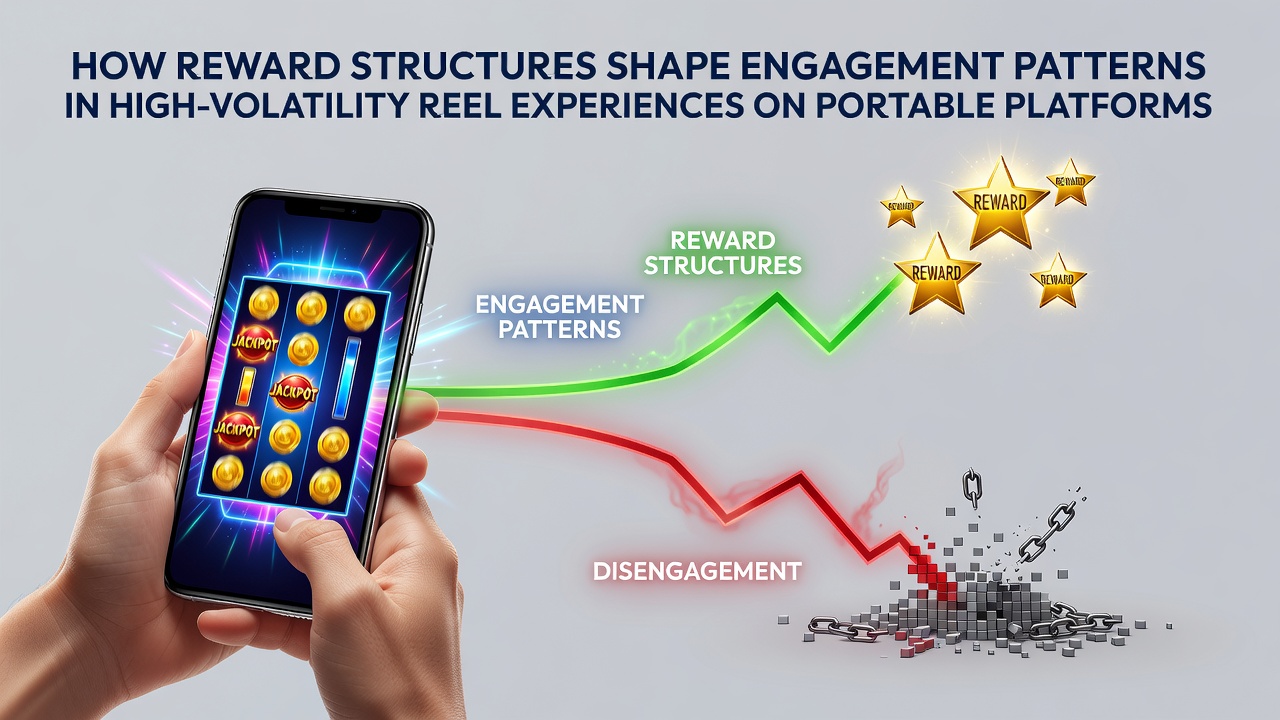
High-volatility reel experiences on portable platforms rely on carefully calibrated reward structures that determine how players interact with games over time, and data from industry reports shows these mechanics directly influence session length, return rates, and overall participation patterns. Researchers at institutions like the University of Nevada Reno have examined how elements such as multiplier triggers, progressive accumulators, and bonus round frequencies create distinct engagement curves in mobile environments where users access titles through apps and browsers on smartphones and tablets.
Core Components of Reward Structures
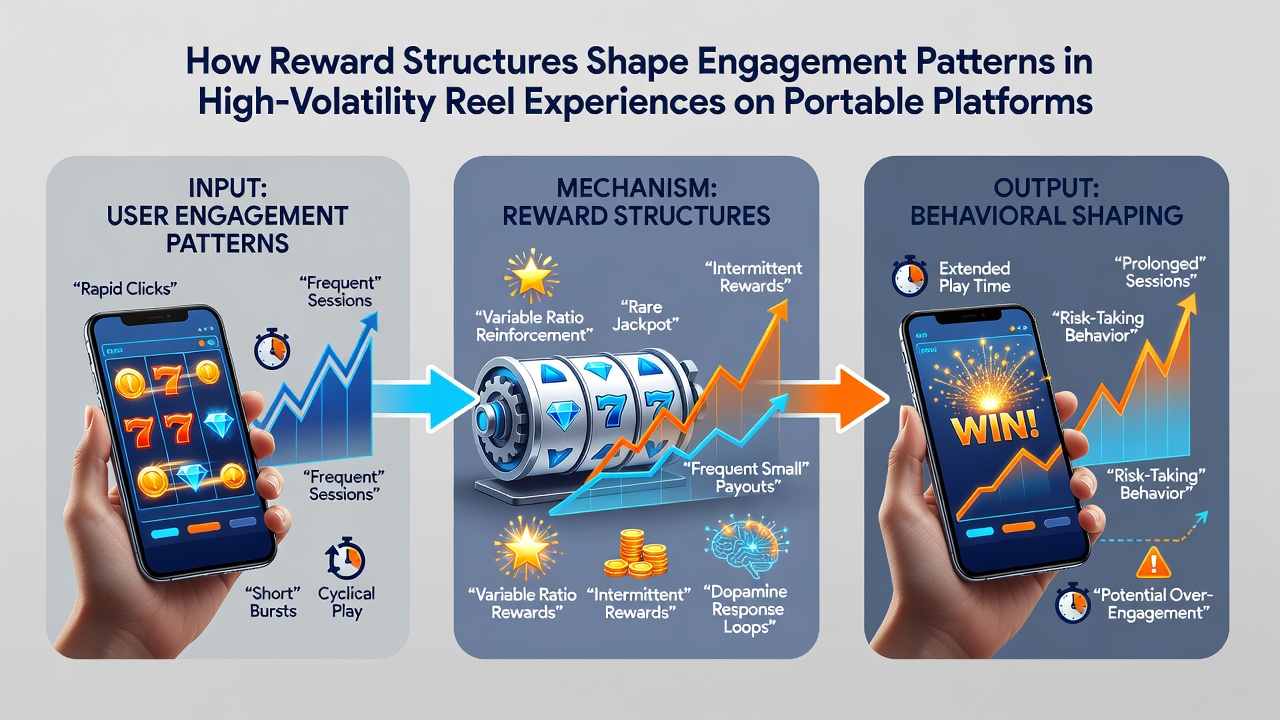
Volatility in slot mechanics refers to the distribution of win sizes and frequencies, with high-volatility titles featuring larger payouts spaced further apart compared to low-volatility options that deliver smaller, more consistent returns, and reward structures layer additional layers like wild substitutions, scatter symbols, and cascading reels onto these foundations. Studies indicate that players encountering clustered bonus activations tend to extend play sessions because the anticipation of potential larger outcomes sustains attention, while those facing prolonged dry spells often adjust bet sizes or switch games entirely.
Portable platforms add constraints and opportunities because screen size, touch interfaces, and push notification systems shape how rewards appear and get claimed, and game developers adjust visual feedback loops accordingly to maintain clarity during rapid reel spins. According to findings from the Australian Gambling Research Centre, mobile users demonstrate higher interaction rates with reward features that unfold in under three seconds per cycle, which aligns with shorter attention windows typical on handheld devices.
Patterns Observed Across Player Cohorts
Engagement data reveals that reward structures incorporating tiered bonus progressions lead to increased daily active users in high-volatility categories, as participants return to complete partially unlocked features such as expanding wild meters or level-based jackpots. One analysis of transaction logs from North American operators found that players who triggered at least two bonus rounds within the first twenty spins showed retention rates 35 percent higher than those who did not, suggesting early reward density plays a measurable role.
Yet the same datasets highlight that excessive frequency of small rewards can flatten engagement curves even in high-volatility titles, because the core appeal lies in the variance itself. Observers note that when structures emphasize rare but substantial accumulations, mobile sessions often cluster around peak activity hours such as evening commutes, and this temporal patterning matches broader behavioral trends documented in gambling studies.
Regulatory Context Around Mid-2026
Adjustments scheduled for implementation by July 2026 across several jurisdictions introduce new parameters around stake limits and feature transparency that will affect how reward structures operate in high-volatility mobile games, and operators are preparing updated interfaces that display volatility indicators more prominently. These changes coincide with broader efforts to standardize player information displays, which research links to shifts in how users select and persist with particular titles.
Evidence from pilot programs in European markets suggests that clearer reward disclosure correlates with more deliberate betting patterns rather than impulsive adjustments during losing streaks, although the long-term impact on overall engagement remains under evaluation by multiple research teams.
Technical Adaptations on Portable Platforms
Mobile development teams optimize reward animations and sound cues to fit varying network conditions, ensuring that bonus sequences load reliably even on intermittent connections, and this technical layer influences perceived value of the rewards themselves. Data indicates smoother delivery of high-impact features correlates with lower abandonment rates during volatile stretches, while laggy sequences prompt quicker exits regardless of underlying mathematics.
Integration with device-level features such as haptic feedback further refines engagement, as vibrations timed to near-miss or multiplier activations reinforce the emotional weight of reward events without requiring constant visual focus. Those who have analyzed app telemetry note that titles leveraging these capabilities maintain steadier play volumes across diverse user demographics.
Conclusion
Reward structures continue to serve as primary levers for shaping how players engage with high-volatility reel experiences on portable platforms, with measurable effects on session metrics and return behavior documented across multiple studies. As technical capabilities evolve and regulatory frameworks update by mid-2026, the interplay between these mechanics and mobile-specific constraints will determine future patterns in player activity. Continued monitoring through academic and industry channels will provide updated insights into these dynamics.