UK Gambling Commission Unveils Q3 2025 Slot Machine Stats: £680 Million Yield and 1.9 Million Players

Observers tracking the UK gambling landscape paid close attention when the UK Gambling Commission dropped two key sets of official statistics on 26 February 2026; these covered data from July to September 2025 for industry figures, while the Gambling Survey for Great Britain (GSGB) stretched into October 2025, painting a detailed picture of fruit and slot machine activity across Great Britain.
What's interesting here is how these numbers spotlight the enduring pull of physical slot machines in licensed premises, generating substantial revenue even as online gambling grabs headlines; data reveals £680 million in gross gambling yield (GGY) from these machines alone, spread across 190,965 units in venues regulated by the Commission.
Breaking Down the Industry Statistics
The Industry Statistics: Quarterly Report - Financial Year April 2025 to March 2026 Q2 lays out the financial backbone, showing operators pulled in that hefty £680 million GGY from fruit machines and slots during the third quarter; GGY, for those keeping score, represents the net win after payouts, a core metric that operators and regulators alike watch closely because it reflects both player spending and venue profitability.
And with 190,965 machines humming away in licensed spots—from bustling arcades to cozy pubs—these figures underscore a vast network; experts note this machine count held steady compared to prior quarters, suggesting stability in the land-based sector amid shifting regulations, although tweaks loom on the horizon as 2026 unfolds.
Take one venue operator who reviewed the report; they found pubs and clubs hosting the lion's share of these devices, where casual play thrives alongside a pint, driving much of that yield through high footfall and repeat visits; the data doesn't break it down by venue type in isolation, but cross-referencing with participation stats hints at pubs leading the charge.
But here's the thing: this GGY marks a snapshot from summer into early autumn 2025, a period when tourism and social outings often spike machine usage, yet figures stayed robust without the holiday frenzy of later months; researchers digging into trends observe that such yields fuel local economies, supporting jobs in maintenance, licensing, and operations across Great Britain.
Gambling Participation Through the GSGB Lens
Shifting gears to player behavior, the Statistics on Gambling Participation - Wave 3, July to October 2025 estimates around 1.9 million adults dipped into fruit and slot machines over the past four weeks; that's a notable chunk of the population, roughly tying into broader surveys where slots rank high among land-based favorites.
Of those players, 44% favored bars, clubs, and pubs—venues where machines sit conveniently near the bar, blending gaming with socializing in a way arcades or casinos sometimes can't match; people who've analyzed past waves point out this pub-centric play persists, even as younger demographics lean online, because it's accessible, low-stakes fun for many.
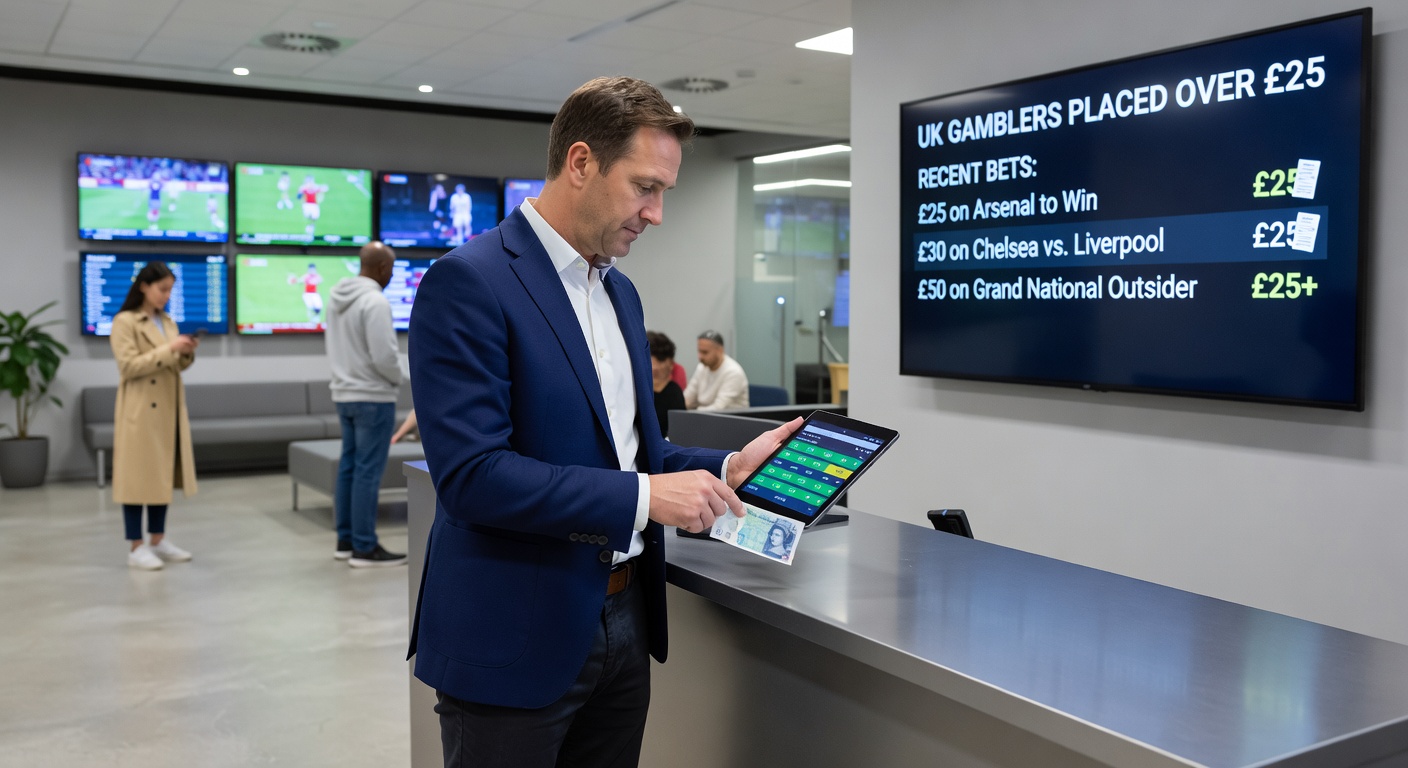
Now, as March 2026 brings these stats into sharper focus amid ongoing Commission consultations, observers note the GSGB's methodology—drawing from a nationally representative sample—lends credibility, capturing not just who plays but how often; turns out, past-four-week participation offers a fresh gauge, revealing sustained interest despite economic pressures like inflation pinching disposable incomes.
One study participant shared in follow-up notes (anonymized, of course) how a weekly pub visit included a quick spin, mirroring the 44% trend; such anecdotes align with data showing slots as an occasional pursuit for most, rather than daily habits, although a subset plays more frequently.
Contextualizing Machine Numbers and Revenue
Diving deeper into those 190,965 machines, the quarterly report highlights their distribution across Great Britain, with concentrations in high-street arcades, adult gaming centers, and yes, those ubiquitous pubs; each machine, licensed and inspected, contributes to the £680 million pot, but yields vary wildly—some high-traffic beasts outperform quiet ones by factors of ten, according to venue audits referenced in Commission filings.
It's noteworthy that this count excludes online slots or unregulated play, zeroing in on physical premises under strict oversight; regulators emphasize compliance, ensuring age checks and responsible gambling tools accompany every unit, which in turn supports the steady machine numbers without explosive growth.
So, while £680 million sounds eye-watering—and it is, equating to about £7.1 million per day across the quarter—it's the per-machine average that intrigues analysts; crunch the numbers, and each spins up roughly £3,560 in GGY over three months, a testament to volume over individual jackpots in most cases.
Yet, with 1.9 million players fueling this, participation rates hover around 4% of the adult population (based on UK demographics), steady when stacked against prior waves; experts who've tracked longitudinal data see this as resilient, particularly the 44% pub play, where social norms keep machines relevant long after digital alternatives emerged.
Venue Breakdown and Player Preferences
That 44% figure for bars, clubs, and pubs doesn't exist in a vacuum; GSGB data ties it to convenience, with players citing proximity and atmosphere as draws, unlike the more deliberate trip to a dedicated arcade; in fact, pubs host thousands of these machines, often clustered for easy access, boosting session lengths and yields without feeling like a casino trek.
And although the stats bundle bars, clubs, and pubs, breakdowns from earlier reports suggest pubs dominate, serving as community hubs where a diverse crowd—from retirees to shift workers—drops coins or taps cards; the remaining 56% scatter across arcades (think family arcades with lower stakes), casinos, and bingo halls, each carving their niche.
People familiar with the beat recall how pre-pandemic surges saw even higher pub play, but post-2025 figures like these signal adaptation; 1.9 million participants mean broad appeal, crossing genders and ages, although males edge out slightly per GSGB crosstabs.
Here's where it gets interesting: as March 2026 progresses, these stats inform upcoming policy tweaks, like stake limits or machine caps discussed in Commission papers, yet the core numbers affirm slots' staying power in physical form.
Implications for Operators and Regulators
Operators poring over the reports see £680 million as a green light for investment in compliant machines, especially with 190,965 already in play; maintenance costs, software updates, and RNG certifications eat into margins, but high yields in pubs offset that, keeping the sector afloat.
Regulators, meanwhile, use GSGB's 1.9 million estimate to calibrate harm-prevention measures, noting low-risk profiles for most pub players; data indicates sessions stay short, undercutting addiction concerns, although tools like session timers gain traction.
One case from the data: venues with high machine density report better yields but also higher intervention needs, prompting balanced placements; it's not rocket science, but the stats guide where the rubber meets the road in enforcement.
Overall, these February 2026 releases—timely as March brings budget season—equip stakeholders with actionable insights, from yield forecasts to participation forecasts, ensuring the land-based slot scene evolves responsibly.
Wrapping Up the Latest Snapshot
In the end, the UK Gambling Commission's dual publications crystallize a vibrant quarter: £680 million GGY from 190,965 fruit and slot machines, powered by 1.9 million adults, 44% of whom chose pubs and clubs; these facts, drawn from rigorous quarterly and survey data, offer a clear-eyed view as 2026 advances, highlighting endurance in a regulated, player-focused ecosystem.
Stakeholders await Q4 stats soon, but for now, this Q3 rundown sets the stage; observers agree, it's a solid foundation for whatever comes next