Quest Systems Driving Progressive Jackpot Access on Mobile Slot Platforms
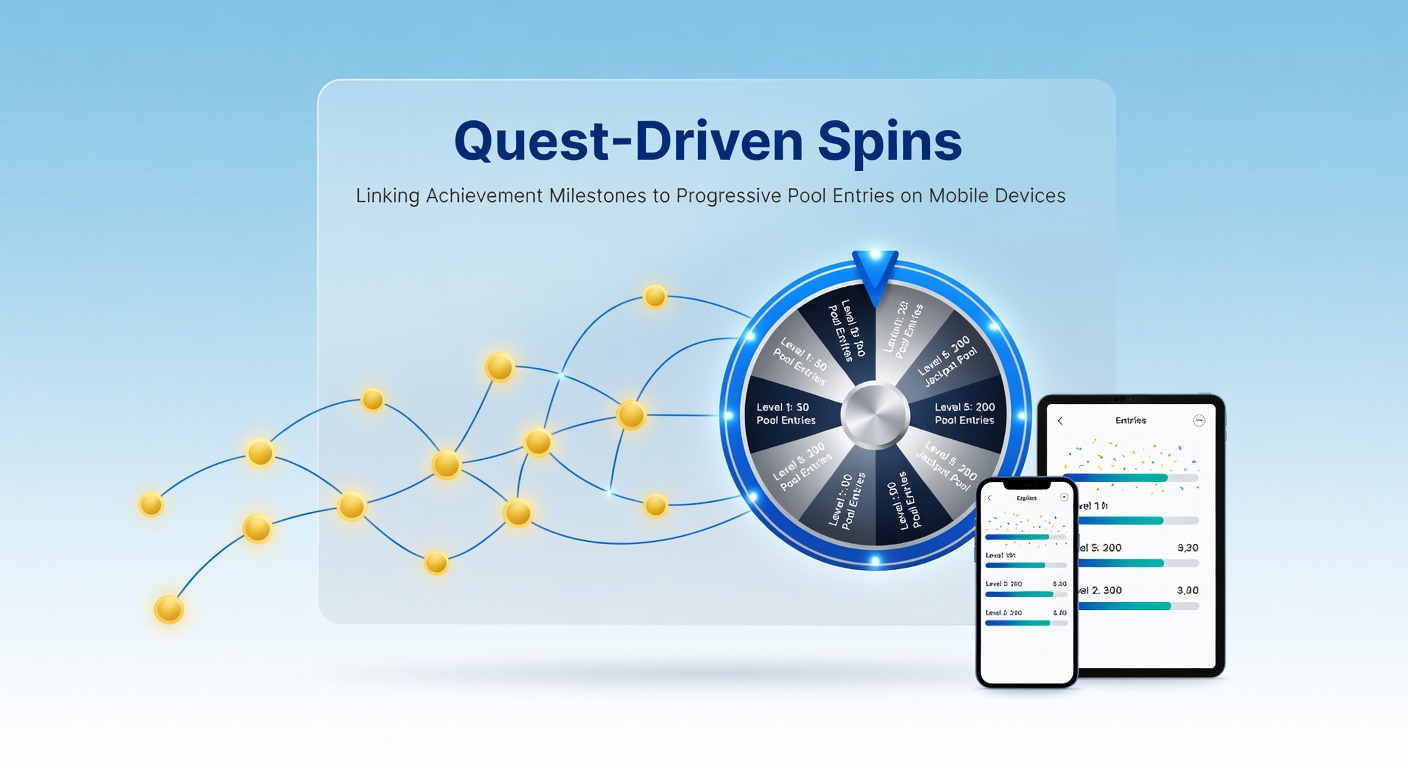
Quest-driven mechanics have become a standard feature across many mobile slot applications by June 2026, where players complete specific tasks that directly influence entry into shared progressive pools. These systems track in-game actions such as consecutive spins, bonus round triggers, and collection goals, then convert those accomplishments into qualifying entries for larger jackpot networks. Data from multiple platform operators shows steady growth in adoption rates since early 2025, with mobile devices accounting for the majority of active quest participants.
How Milestone Tracking Integrates with Pool Mechanics
Developers design quest structures so that each completed milestone adds a verified entry ticket into progressive pools managed across several connected games. The process begins when a player logs into a mobile app and receives a personalized quest list that updates in real time based on session activity. Once a milestone registers, the system automatically logs the entry without requiring separate navigation steps. This direct linkage reduces friction between gameplay and jackpot participation while maintaining audit trails required by various regulatory frameworks.
Platform providers report that quests typically fall into categories including volume-based targets, feature-specific challenges, and time-limited events. Each category feeds into the same progressive pool infrastructure yet applies different weighting formulas to determine entry value. Operators adjust these formulas periodically to balance player retention with pool contribution rates, drawing on performance metrics gathered from thousands of daily sessions.
Regional Adoption Patterns Observed in Mid-2026
European markets have seen widespread rollout of these integrated systems on iOS and Android applications, whereas North American and Asia-Pacific regions continue phased implementations that began in late 2025. Industry reports from the iGaming Ontario indicate that quest-linked progressive entries now represent a measurable share of total pool contributions in licensed Ontario apps. Similar patterns appear in Australian market analyses published by state gaming authorities, where mobile quest activity correlates with increased average session duration.
Technical Infrastructure Supporting Cross-Game Entries
Backend systems use standardized APIs to synchronize milestone data with centralized progressive controllers. When a player finishes a quest segment on one title, the server pushes an encrypted token to the pool manager that validates eligibility before adding the entry. This architecture supports simultaneous participation across multiple games without duplicating player effort. Security protocols include timestamp verification and device fingerprinting to prevent duplicate entries from a single account.
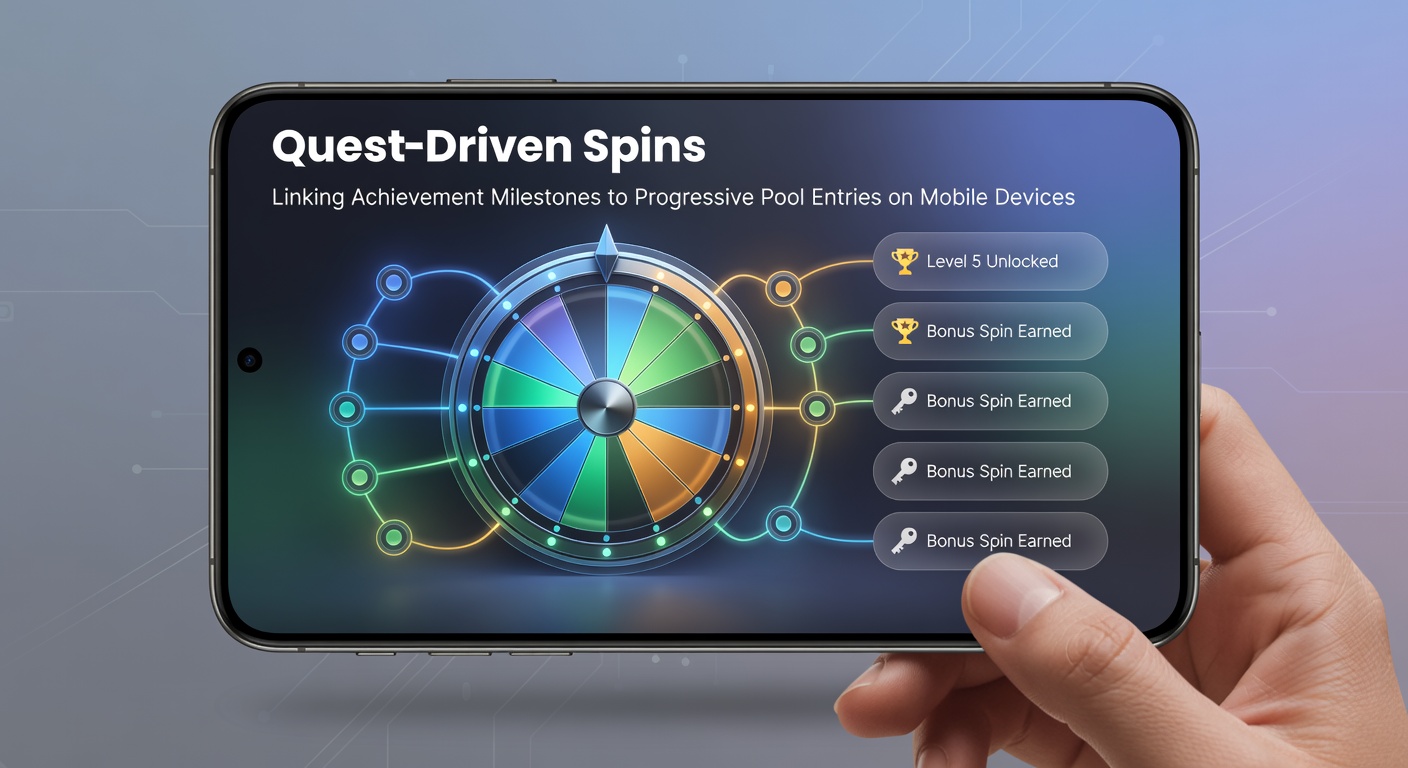
Testing conducted by several development studios throughout spring 2026 confirmed that these integrations maintain consistent performance even during peak traffic periods. Load balancing across regional servers ensures that entry confirmations reach players within seconds, preserving the immediate feedback loop that encourages continued play.
Player Journey Mapping Through Achievement Layers
Observers note that quest systems guide mobile users along structured pathways that gradually increase exposure to progressive features. Early quests focus on basic spin counts and simple collections, which introduce newcomers to the entry process. Later stages introduce more complex requirements such as multi-game combinations or specific symbol sequences that unlock higher-value pool tiers. This layered approach appears in documentation from multiple software providers and aligns with observed retention data across leading apps.
Case studies shared at industry conferences in early 2026 highlighted examples where operators linked daily login streaks directly to escalating entry multipliers. One platform recorded a 34 percent rise in progressive pool contributions after implementing streak-based quests that reset weekly. Another operator tied achievement badges earned in a base game to automatic qualification for a secondary high-stakes pool reserved for milestone completers.
Data Trends and Measurement Approaches
Analytics teams track conversion rates from quest completion to actual jackpot wins by monitoring pool draw histories alongside individual player logs. Figures released by the Australian Gambling Research Centre in May 2026 show that mobile users who engage with quest systems maintain longer account lifespans compared with non-participants. These measurements rely on anonymized aggregate datasets rather than individual profiles, satisfying privacy standards across jurisdictions.
Operators continue refining quest difficulty curves based on completion statistics gathered weekly. Adjustments often involve scaling reward thresholds or introducing new milestone types when participation drops below internal benchmarks. Such iterative updates keep the linkage between achievements and progressive entries dynamic while preserving fairness parameters established during initial certification.
Conclusion
Quest-driven entry systems represent an established method for connecting individual gameplay milestones with collective progressive pools on mobile platforms as of June 2026. The technical and operational frameworks supporting these linkages continue to evolve through data-driven refinements and cross-regional compliance requirements. Ongoing measurements from regulatory and research bodies provide the factual basis for understanding how achievement structures influence pool participation patterns across different markets.