Navigating Incentive Structures in Accumulative Reward Networks for Britain's Mobile Leisure Platforms
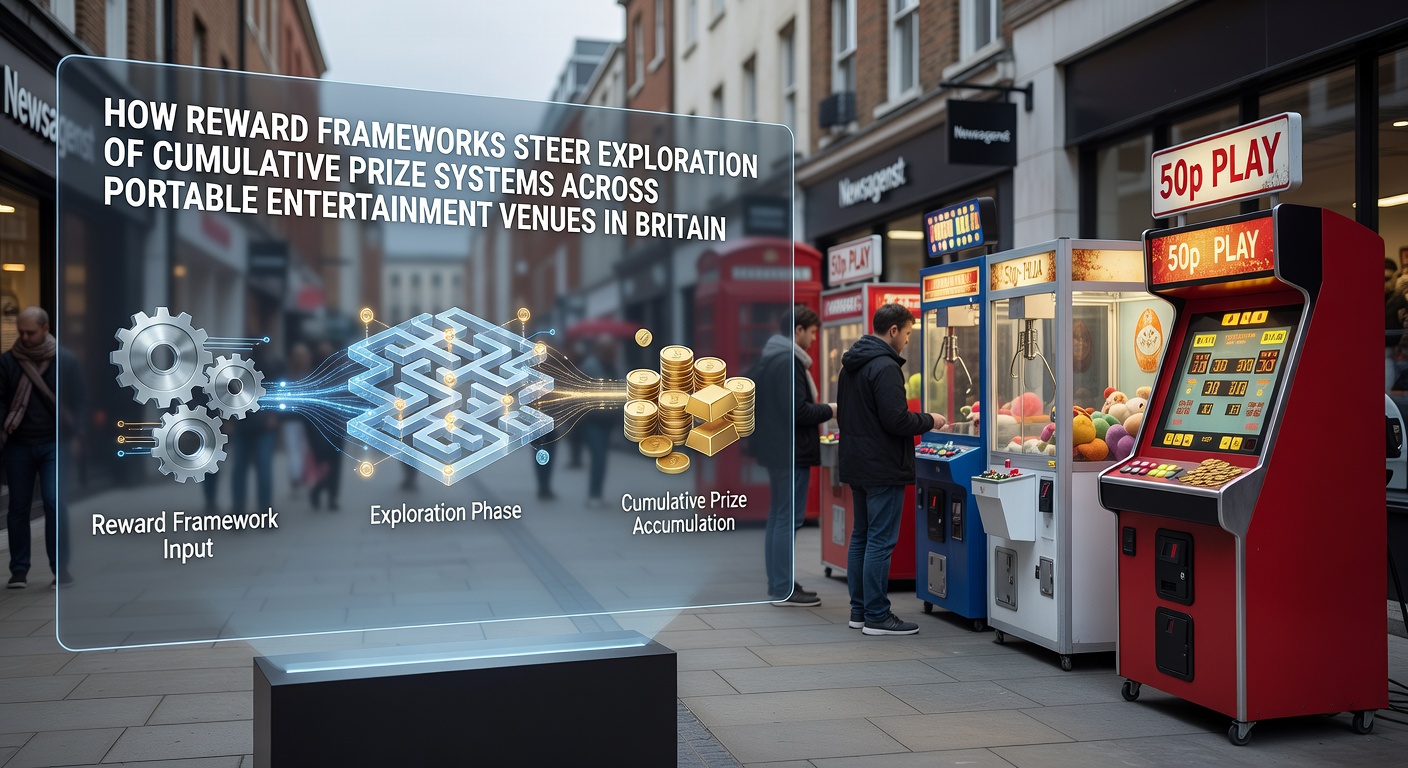
Portable entertainment venues across Britain have integrated layered reward frameworks that direct user engagement toward cumulative prize mechanisms, and these systems operate through structured incentive pathways that encourage progressive exploration of available options. Data from industry tracking shows participation rates in such frameworks rising steadily through early 2026, with mobile applications serving as primary access points for many participants. Observers note that these frameworks combine immediate entry rewards with longer-term accumulation targets, creating sequences where users advance by completing defined activity thresholds.
Core Components of Reward Frameworks in Mobile Settings
Basic structures begin with entry-level incentives that transition into cumulative tracking modules, and these modules log participation across multiple game types or venue features while building toward tiered prize releases. Research indicates that users who engage with initial reward layers often proceed to explore additional content sections because the accumulation metrics display visible progress indicators on app interfaces. Studies from academic institutions highlight how such visibility influences navigation patterns, prompting users to sample varied portable entertainment options rather than remaining with single selections.
Points systems form another essential element, converting activity into redeemable values that stack over time, and these values unlock higher prize categories only after sustained engagement across different platform areas. Figures from regional analyses reveal that cumulative models outperform one-time reward formats in retaining activity spans, particularly when users receive periodic status updates about their accumulated totals. What's interesting is how these updates frequently coincide with prompts to try new portable venue features, thereby steering broader exploration within the same application environment.
Behavioral Guidance Through Progressive Accumulation
Users encounter decision points where choosing one path over another affects the speed of prize accumulation, and frameworks capitalize on this by offering branching reward routes that still converge on shared high-value outcomes. Evidence suggests participants often map out optimal sequences to maximize cumulative gains, leading them to investigate multiple entertainment categories within Britain's mobile platforms. Take one case where tracking data revealed increased cross-category movement after implementation of unified accumulation dashboards, demonstrating how the framework itself promotes diversified interaction.
Seasonal adjustments appear in several systems around May 2026, incorporating temporary multipliers that accelerate accumulation rates during specific promotional windows, and these adjustments draw attention to under-explored sections of portable venues. Reports compiled by international gaming research bodies show corresponding spikes in feature trials during such periods, confirming the steering effect without altering overall prize distribution mechanics. Observers note that the temporary nature of these boosts encourages timely exploration while maintaining long-term cumulative structures.

Integration With Venue-Specific Features
Mobile platforms link reward frameworks directly to location-based or device-specific elements, allowing cumulative progress to incorporate real-world venue interactions alongside digital play. This integration creates hybrid pathways where users accumulate credits through both app-based actions and physical portable entertainment experiences across Britain. Data compiled by cross-regional industry groups indicates that hybrid models increase overall system engagement by connecting isolated activities into unified prize journeys.
Technological tools such as personalized dashboards display projected prize outcomes based on continued exploration, and these projections help users visualize how different activity combinations contribute to final rewards. Academic examinations of similar systems in other jurisdictions, including those reviewed by the Australian Institute of Criminology, demonstrate comparable steering effects where visual feedback loops sustain user movement through available options. The reality is that such tools reduce random selection patterns in favor of deliberate navigation toward accumulation goals.
Comparative Patterns Across Platform Types
Different portable entertainment providers implement variations in reward density and accumulation speed, yet all maintain core principles that tie incremental actions to cumulative prize access. Analysis from North American gaming oversight reports reveals that platforms balancing frequent small rewards with infrequent large releases achieve broader exploration rates than those favoring either extreme. Users therefore encounter consistent guidance regardless of specific venue branding, though the exact routes differ according to each framework's design priorities.
Cross-platform compatibility features allow accumulation to continue when users switch between devices or applications, and this continuity prevents fragmentation that might otherwise limit exploration scope. Evidence from university-led studies on digital engagement patterns confirms that seamless transitions support extended interaction timelines within cumulative systems. But here's the thing: providers who neglect this continuity observe quicker drop-off rates once users reach intermediate accumulation stages.
Conclusion
Overall patterns demonstrate that reward frameworks in Britain's portable entertainment venues function as directional tools that channel user activity toward comprehensive prize accumulation rather than isolated transactions. Continued refinement of these structures, particularly around integration points and feedback mechanisms, sustains their role in guiding exploration across mobile platforms. External data sources including those from the Nevada Gaming Control Board further illustrate how similar incentive designs influence participation breadth in comparable markets, underscoring the transferable nature of these steering dynamics.