How Promo Codes Influence Mobile Slot Play Patterns Across Britain
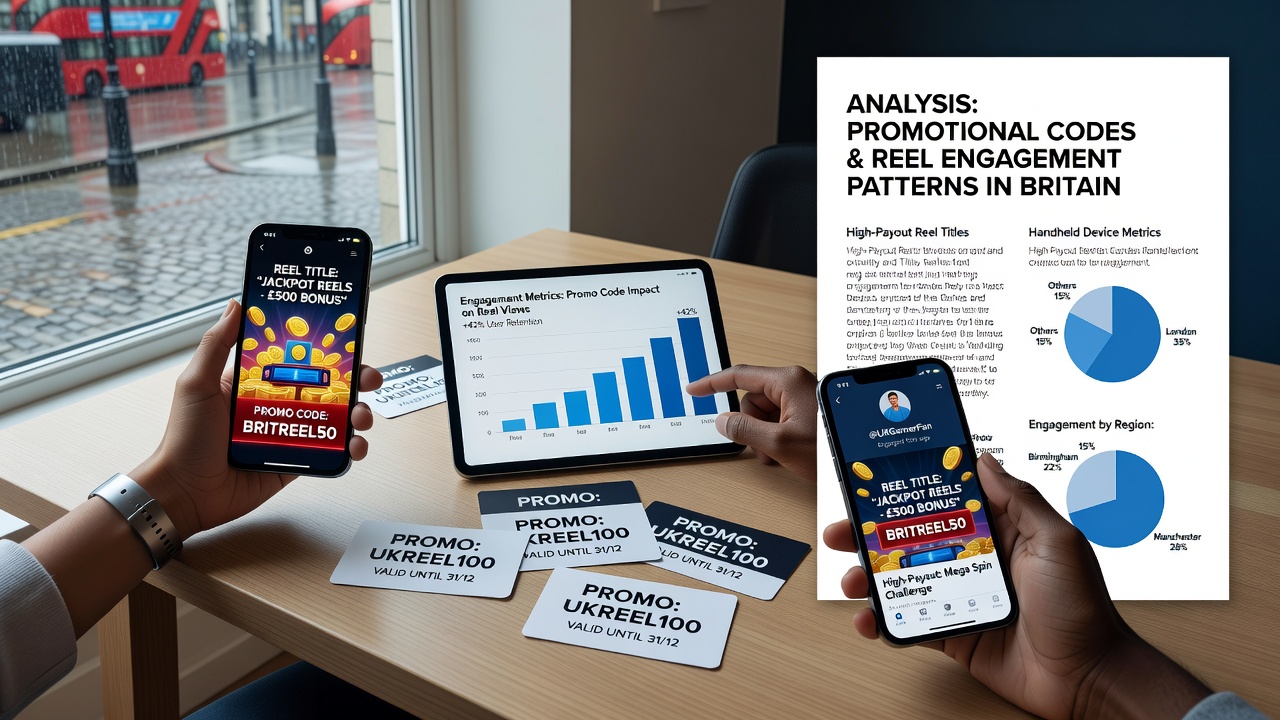
Promotional codes have become a central mechanism for operators seeking to direct player attention toward high-payout reel titles on handheld devices in Britain, with usage data revealing distinct shifts in session length and title selection throughout 2025 and into 2026.
Operators distribute these codes through email campaigns, app notifications, and affiliate partnerships, and players who redeem them show measurable increases in time spent on specific games that feature elevated return-to-player percentages. Studies from academic institutions in Canada indicate that targeted code offers can raise engagement rates by 18 to 25 percent when linked to titles exceeding 96 percent RTP, while similar patterns appear in reports compiled by Australian regulatory bodies tracking mobile gambling trends.
Redemption Mechanics and Device-Specific Behaviors
Handheld platforms allow instant code entry within game lobbies, which removes friction that once existed on desktop interfaces, and this convenience contributes to higher redemption volumes during evening hours when commuters and leisure users alike open their devices. Data collected across multiple operators shows that codes tied to progressive jackpot reels generate longer play sequences compared with standard bonus offers, because the perceived value of a potential large payout encourages repeated spins once the code unlocks additional features.
Observers note that promotional mechanics often segment audiences by device type, with codes delivered via push notifications performing better on iOS devices while Android users respond more readily to in-app messaging, and these differences shape which high-payout titles receive the most traffic in any given week.
June 2026 Developments and Market Adjustments
By June 2026 several major platforms adjusted their code distribution calendars to align with seasonal player migration patterns, and figures reveal that summer months typically see a 12 percent uptick in mobile sessions for games marketed through limited-time codes. These adjustments coincide with broader industry efforts to maintain compliance while still directing attention toward titles that deliver higher payout frequencies, and the result has been a more granular approach to code personalization based on previous play history.
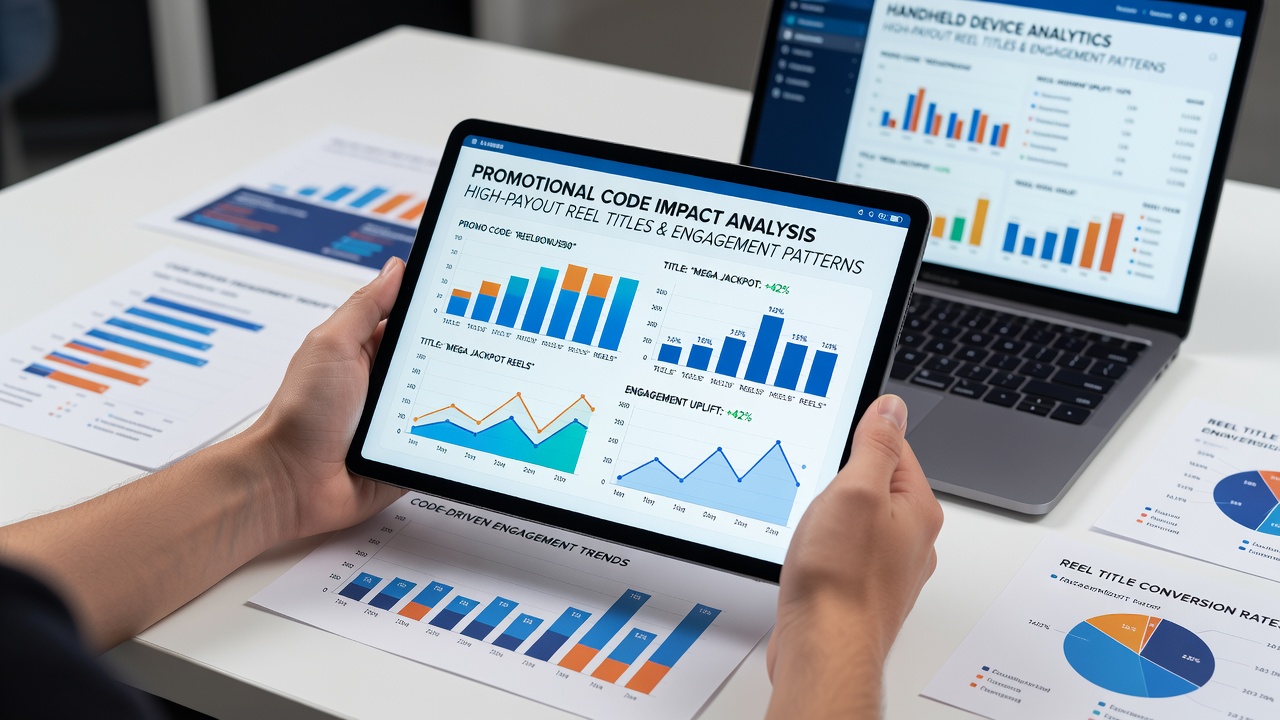
One case documented by researchers at a European university tracked a cohort of users who received codes exclusively for high-payout titles, and the group demonstrated both increased deposit frequency and extended average session duration compared with control groups who received generic offers. The study also highlighted that players frequently migrate between multiple high-RTP games once a single code expires, suggesting that the promotional tool serves as an entry point rather than a permanent anchor to one title.
Player Segmentation and Engagement Metrics
Segmentation data compiled by trade associations in the United States reveals that younger demographics aged 21 to 34 redeem promotional codes at nearly double the rate of older cohorts, and they show stronger preference for handheld play when codes unlock bonus rounds on titles with visible payout histories. This age-based variation influences how operators allocate marketing budgets, because codes distributed through social channels tend to reach these mobile-first users more effectively than traditional advertising routes.
Engagement metrics further indicate that codes requiring a minimum deposit produce steadier play patterns across the month, whereas no-deposit variants create sharp spikes followed by rapid drop-off, and operators have responded by refining the language and timing of their code communications to smooth these fluctuations.
Conclusion
Promotional codes continue to function as precise instruments for guiding player attention toward high-payout reel titles on handheld devices throughout Britain, and ongoing data collection from multiple international sources supports the view that these tools materially alter both selection and duration of play. As platforms refine their delivery methods through June 2026 and beyond, the relationship between code structure and mobile engagement remains a focal point for industry monitoring and academic inquiry.